Sadic Beauty: The Fusion of Aesthetic and Emotion


Intro
In the vast landscape of art and storytelling, the notion of beauty often dances with joy and delight. Yet, there exists another facet – a complexity that intertwines beauty with sorrow that invokes a poignant response. This concept, referred to as sadic beauty, captures an aesthetic where pain and artistry intersect. Through this exploration, we journey into the depths of emotion evoked by sadic beauty, particularly within the realms of anime and manga.
The intent here is not mere observation but a thorough understanding of how this dualism operates. Characters, themes, and artistic expression all contribute to a rich tapestry of experiences that resonate on emotional levels with audiences. As artists craft narratives infused with melancholy yet beautiful imagery, they tap into profound psychological implications that reflect the human experience.
In this piece, we will break down the character elements and overarching themes that define sadic beauty, revealing the cultural significance while deepening our comprehension of its prevalence in contemporary narratives.
Character Analysis
Overview of Character Development
Central to the narrative of sadic beauty are characters that embody both grace and grief. These individuals often undergo profound transformations, as their journeys encapsulate emotional struggles and the desire for connection amidst pain. Consider, for instance, the character of Shinji Ikari from Neon Genesis Evangelion. He portrays an adolescent grappling with existential dread and the burdens of expectation, resulting in many emotionally fraught moments that highlight his vulnerability.
In contrast, Homura Akemi from Puella Magi Madoka Magica represents a more complex development. Her character arcs through layers of heartbreaking decisions and sacrifices, all while portraying an unwavering dedication to protect her friends. Thus, she embodies that beautiful yet sorrowful dichotomy that is characteristic of sadic beauty.
Key Relationships and Dynamics
The interplay between characters further enhances the profound impact of sadic beauty. These relationships often reveal deep emotional currents, where one character's joy can elevate another's sorrow and vice versa. This dynamic is vividly showcased in Your Lie in April, where the interaction between Kōsei Arima and Kaori Miyazono brings forth a realization of beauty intermingled with grief.
The relationship unveils key themes like the bittersweet nature of life and the cyclical process of healing through loss. As such, Kōsei’s journey of coping with the past becomes deeply intertwined with Kaori’s vibrant yet tragic presence, offering viewers an experience that resonates well beyond the screen.
Thematic Exploration
Central Themes and Messages
Sadic beauty does not merely aim to present suffering; instead, it underscores resilience, redemption, and the pursuit of connection despite adversity. One common theme is the exploration of the human condition—the innate emotions that bind us. In A Silent Voice, for example, we see Shoya Ishida face the consequences of bullying and the long path toward redemption that follows. The narrative encourages us to reflect on our actions and their repercussions, embedding a deep sense of empathy.
Cultural Context and Influences
The cultural fabric from which sadic beauty emerges is rich and varied. In Japanese narratives, there is a longstanding tradition of examining human emotions through a lens of aesthetics, as seen in historical art forms like ukiyo-e and poetry. These influences are apparent in contemporary anime and manga, wherein creators use visual storytelling to depict complex emotional landscapes.
The essence of sadic beauty lies not just in the sorrow itself, but in the ability to invoke profound beauty through emotional experience.
For further reading and resources related to themes of beauty and emotion in art, consider visiting Wikipedia, Britannica, and discussions on platforms like Reddit or Facebook.
Understanding Sadic Beauty
The topic of sadic beauty delves into a profound interplay between aesthetics and the emotions that often accompany experiences of suffering and sorrow. By exploring sadic beauty, we are not just examining a unique art form; we are unraveling a rich tapestry of cultural expression that resonates deeply with audiences. This juxtaposition captures the human condition, showcasing how beauty can emerge from pain and vice versa.
Personal experiences greatly shape our understanding of this concept. Readers familiar with anime and manga often find themselves drawn to characters or narratives that embody this duality. For instance, in many series, a protagonist's struggles serve as a backdrop against which their development occurs, enriching the narrative and inviting empathy from the audience. Sadness, when portrayed beautifully, can stimulate reflection, helping viewers confront their own emotions.
Moreover, sadic beauty brings enlightenment to societal themes, questioning norms and expectations. Whether it's through a character's loss or a haunting melody that stirs one’s soul, the exploration of these aesthetic elements evokes deep emotional resonance. One might ponder: why do we find comfort in sorrow? Through understanding sadic beauty, we uncover the therapeutic aspects of engaging with such emotions and recognize the artistry that exists at this intersection.
In this article, we will explore the significance of sadic beauty across cultures and art forms, especially in anime and manga, where its presence is deeply entrenched in storytelling. The following sections will peel back layers of meaning, revealing not only the emotional impact of sadic beauty but also its relevance and appeal in modern narratives.
Defining Sadic Beauty
The term sadic beauty is a compound that melds sadness and beauty, representing a spectrum of emotional experiences often encapsulated in art and storytelling. At its core, sadic beauty refers to that haunting allure found in the juxtaposition of beauty and despair. It emphasizes how our emotional responses can enhance the perception of visual or narrative beauty. For instance, a scene drenched in sorrow may become unforgettable due to the intensity of the surrounding beauty.
Consider the character of Shinji Ikari from Neon Genesis Evangelion. His struggles with identity and alienation resonate profoundly with audiences, showcasing how tragic circumstances can unveil profound beauty in character development. This art form often features visuals highlighted by muted colors and poignant imagery, invoking a sense of melancholic reflection. The impression it leaves speaks to something intrinsic within us— a recognition that beauty can exist in the most heart-wrenching circumstances.
Historical Context of Sadic Beauty


From a historical perspective, the concept of sadic beauty can be traced back through various artistic movements. The Romantic period, for example, glorified nature’s sublime beauty intertwined with melancholy. Artists like Caspar David Friedrich captured paths shrouded in mist, symbolizing the mystery of human emotion, highlighting that beauty and sadness often walk hand in hand.
Furthermore, many ancient cultures recognized the connection between suffering and beauty. The Greeks famously explored this theme in their tragedies, where the protagonists faced deep emotional turmoil that led to revelations about their own humanity. In such works, beauty wasn’t just in the art; it was in the lessons learned through sorrow.
In contemporary contexts, this fusion of beauty and emotion has evolved but remains a cornerstone of many artistic expressions. The resonance of sadic beauty—its ability to engage the audience through a shared experience of emotion—remains a timeless theme that continues to dominate popular narratives. This exploration through time illustrates the persistent relevance of exploring sadness alongside beauty, enriching our understanding of both the artistic expression and the experiences that shape us as individuals.
"Beauty is the shadow of pain." - Miroslav Holub
By traversing through the nuances and layers of sadic beauty, we grasp not only its artistic manifestations but also its deep-seated cultural significance. The following sections will further delve into the cultural impact, literary representations, and psychological echoes this aesthetic holds, especially in the realms of anime and manga.
Cultural Significance of Sadic Beauty
Sadic beauty plays a vital role in the broader understanding of art and culture, particularly within the realms of anime and manga. This duality of beauty intertwined with pain and sorrow does more than just intrigue; it influences emotional connections and cultural expressions. Sadic beauty invites viewers to confront uncomfortable feelings, evoking a deeper engagement with the art piece or narrative. It's about striking a balance between aesthetic pleasure and the heartrending emotions that come along with it. In our increasingly complex world, the ability to empathize with sadness through beauty fosters a nuanced understanding of the human experience.
Sadic Beauty in Japanese Culture
The Japanese aesthetic has long embraced themes of transience and imperfection, best embodied in concepts such as wabi-sabi. Sadic beauty finds its place here as it reflects the impermanence of life, where beauty often exists in fleeting moments of sorrow. Classic forms of Japanese art, from ancient poetry like haiku to the visual splendor of ukiyo-e woodblock prints, weave together beauty and pain effortlessly. For instance, The Tale of Genji, considered one of the world's first novels, encapsulates stories of longing and loss through its poetic narrative, echoing themes of sadic beauty.
Moreover, the yūrei – spirits of the restless dead in Japanese folklore – embodies this notion. They are often depicted elegantly, capturing a haunting beauty that tells stories of unfulfilled desires or tragic endings. Consider works like Natsume Sōseki's Kusamakura, where beauty is tied to the poignant essence of melancholy. The same threads of sorrow and attraction run through modern anime and manga, with series such as Your Lie in April showcasing how deeply entrenched these elements are in contemporary narratives.
Comparative Analysis with Other Cultures
Looking beyond Japan, sadic beauty appears throughout different cultures, revealing a universal appreciation of the interplay between beauty and suffering. In Western culture, for example, the Romantic movement emphasized emotions, often celebrating nature's beauty while recognizing its dark, chaotic aspects. Poets like William Blake and John Keats explored themes of tragic love and loss, intertwining beauty with existential agony in their works.
Similarly, in art movements like Impressionism, the fleeting moments captured often portray scenes of solitude or longing. Artists such as Claude Monet painted serene landscapes, yet behind that calm facade often lay a deeper narrative of personal struggles or societal upheaval.
Across various cultures, the motif of beauty paired with sorrow resonates deeply, reinforcing the idea that beauty can be complex. Literature, visual arts, and performance all express this through differing styles but share the core understanding that embracing sadness often leads to the discovery of profound beauty.
"Art is the most beautiful of all lies." - Paul Valéry
Literary Representations of Sadic Beauty
The literary world holds a mirror to emotions, reflecting our deepest intricacies and pain through various forms of expression. When we discuss sadic beauty, we dive into the complex interplay between allure and affliction, a theme that has enriched narratives across centuries. This examination serves not merely as a stylistic choice but as a profound commentary on the human condition. Literary representations of sadic beauty resonate particularly with audiences, especially in genres that explore the depths of despair alongside striking aesthetics. Understanding this intersection enhances our appreciation of how authors and poets articulate psychological struggles and emotional truths.
Themes of Suffering in Literature
When looking closely at the themes of suffering, one gets a sense that pain isn’t just a backdrop; instead, it often drives the narrative forward. Many writers have utilized suffering to create a deeper emotional connection with their readers. Take, for instance, Fyodor Dostoevsky – his characters wrestle with moral dilemmas that often lead to moments of intense suffering, illuminating broader societal issues and personal anguish. The protagonist in Crime and Punishment, Raskolnikov, exemplifies this duality, showcasing a struggle that mixes intellectual arguments with harrowing emotional repercussions. Readers feel drawn into his world because the pain is not merely theoretical but palpable.
Similarly, in poetry, Sylvia Plath's works, such as Lady Lazarus, capture the anguish that can be found in the beauty of resilience, even when faced with despair. Her phrases encapsulate suffering not just as a fact of life, but as a canvas on which beauty can be painted. This method illustrates how suffering can evoke critical emotional reactions, making the aesthetic experience richer and more layered. Writers throughout various literary periods have embraced suffering as both an experience and a narrative device, offering readers perspectives that resonate with their own lived experiences.
Notable Works Featuring Sadic Beauty
Numerous literary works encapsulate the essence of sadic beauty, perfectly marrying striking imagery with themes of melancholy and pain. Consider Virginia Woolf's Mrs. Dalloway — a novel that conveys beauty through a lens of mental anguish. Woolf’s portrayal of Clarissa Dalloway elegantly merges moments of joy with deep-seated sadness, allowing readers to feel the weight of lost opportunities and the fleeting nature of life’s pleasures.
Another significant example is Haruki Murakami's Norwegian Wood. Here, the juxtaposition of haunting memories and romantic longing weaves a tale that reflects on loss and the beauty intertwined with grief. Murakami addresses complex feelings, skillfully prompting readers to engage with their own reflections on love and sorrow.
Lastly, Oscar Wilde's The Picture of Dorian Gray showcases how beauty often comes at the price of one’s soul. Dorian's descent into moral corruption serves as a reminder that aesthetic allure can conceal devastating emotional turmoil beneath its glamorous surface. This nuanced approach towards sadic beauty illuminates contrasting elements, revealing to readers how intertwined beauty and suffering can shape narratives across various literary forms.
The exploration of these themes and works elevates sadic beauty, inviting readers to not only appreciate the beauty in the text but also to engage with the emotions that lie beneath. This duality not only enriches the literary landscape but also enhances the audience's emotional experience, allowing for a deeper connection with the text.
Sadic Beauty in Anime and Manga
The realm of anime and manga stands as a fertile ground for the exploration of sadic beauty, where aesthetics intertwine with emotional depth. In these artistic forms, creators have harnessed the interplay of beauty and suffering, engaging audiences through hauntingly gorgeous visuals alongside complex narratives that stir deep feelings. This section delves into how character archetypes, visual aesthetics, and storytelling techniques contribute to the overall atmosphere of sadic beauty, elucidating why they resonate with viewers and readers alike.
Character Archetypes and Development


Character development in anime and manga often draws on archetypes that epitomize the essence of sadic beauty. Characters such as the tortured artist or the tragic hero frequently emerge, embodying conflict and duality. The inner struggles faced by these figures invite empathy from the audience, fostering a deeper connection. For instance, consider characters like Shinji Ikari from Neon Genesis Evangelion or Thorfinn from Vinland Saga. Both of them carry a weight of sorrow that shapes their journeys.
- Tortured Souls: These characters manifest their pain visibly, often showcasing their vulnerability in harsh environments. Their emotional scars are rendered artistically, drawing viewers into their plight.
- Beauty in Tragedy: The aesthetic choice to depict beautiful characters who endure suffering creates a paradox that captivates audiences—this duality elevates the narrative stakes.
The development of these archetypes over time is marked by their evolving relationships with pain, where growth sometimes emerges from suffering, revealing complexities and layers that are integral to sadic beauty.
Visual Aesthetics and Art Style
The visual interpretation of sadic beauty in anime and manga is both striking and poignant. Artists employ a variety of techniques to convey emotions that resonate with sadness and sorrow. The art is not merely a backdrop; it is intertwined with the emotional journey of characters.
- Color Palette: Muted tones or stark contrasts often signal pain or desolation. Shows like Your Lie in April utilize soft colors with vibrant outbursts, reflecting the beauty of fleeting moments against a backdrop of heartache.
- Symbolism and Imagery: Artists intentionally weave elements that become symbols of the characters' emotional states. For example, rain often signifies sorrow, while flowers may indicate transience or beauty amid decay.
- Fluid Animation: The fluidity of animation can amplify sadness through movement, emphasizing the weight of a character’s burden or the fleeting nature of happiness.
These visual elements are not just aesthetic choices; they serve to deepen the emotional engagement of the audience, drawing them closer to the narrative and the experiences of the characters.
Storytelling Techniques
Storytelling in anime and manga often embraces unconventional methods that enhance the impact of sadic beauty. The narratives are frequently crafted to take viewers on an emotional rollercoaster, intertwining sorrowful arcs with moments of beauty and grace.
- Non-linear Narratives: By weaving backstories alongside the present plot, creators can illustrate how past traumas shape the characters, creating a rich tapestry of experiences. Steins;Gate exemplifies this, where the timelines create emotional tension as the characters face their fates.
- Narrative Voice and Internal Monologue: Utilizing internal dialogues allows audiences to glimpse the characters’ thoughts, making their suffering palpable. It heightens empathy, as viewers can easily relate to the characters’ anguish and beauty in moments of sorrow.
- Juxtaposition of Themes: Merging light-hearted moments with deep sorrow can create a unique tension. Series like Madoka Magica blend the whimsical with the tragic, constantly reminding viewers of the fragility of happiness.
These techniques serve to create a narrative fabric that not only entertains but also prompts the audience to reflect on the complexities of beauty intertwined with pain.
"The blending of beauty and pain creates an emotional landscape that resonates deeply with audiences, offering no easy resolutions to the heart's dilemmas."
Psychological Impacts of Sadic Beauty
The concept of sadic beauty goes beyond surface-level aesthetics; it delves deeply into the psyche of both the creators and the audience. This section highlights the significance of understanding the psychological dimensions of sadic beauty, as it illuminates how beauty intertwined with sorrow fosters emotional connections and influences perception. By exploring this emotional landscape, one can appreciate how it resonates within the realms of anime and manga, revealing layers that contribute to audience engagement.
Emotional Resonance with Audiences
Sadic beauty resonates with audiences primarily through its ability to evoke strong emotions. When viewers encounter characters or scenes that embody both the alluring and the tragic, they often feel a surge of empathy or introspection. This emotional resonance is not accidental; it mirrors complex human experiences. For instance, a character may showcase vulnerability amidst their beauty, drawing viewers into their struggles and triumphs. This duality creates a space for reflection, prompting audiences to reckon with their own feelings of sadness and beauty in everyday life.
Artistic portrayals of sadic beauty can resonate deeply, as seen in multiple anime series. For example, in Your Lie in April, the compelling juxtaposition of musical talent and personal tragedy creates a narrative that hits close to home for many. This not only enhances the emotional gravity of the story but also allows the audience to explore the depths of joy and sorrow simultaneously. The following elements delve deeper into why this emotional connection is vital:
- Empathy: Viewers can relate to moments of vulnerability, mirroring their own life experiences.
- Catharsis: Sadness expressed artistically can provide a release of pent-up emotions, allowing audiences to process feelings in a safe space.
- Connection: Fostering a shared understanding of complex human conditions cultivates a sense of community among fans.
Exploring the Dual Nature of Attraction
The allure of sadic beauty lies in its contradictory nature, blending the beautiful and the painful into a tapestry that captures interest. This complexity raises questions about the very nature of attraction: why we are drawn toward the painful aspects within beauty. The psychology behind this attraction is multifaceted.
Some might argue that beauty alone can feel superficial, yet when it's laced with sorrow, it elicits a richer experience. A character embodying this tension, such as Shinji Ikari from Neon Genesis Evangelion, is memorable not merely for visual appeal but for the struggles woven into his narrative.
The duality encapsulated in sadic beauty can create an almost magnetic pull. Key aspects of this attraction include:
- Conflict: Audiences are intrigued by the struggles that adversities present, making them invested in the characters’ arcs.
- Depth: Readers often desire meaning over mere visuals, looking for stories that unpack profound emotions beneath a beautiful exterior.
- Cultural Reflection: The fascination with sadic beauty mirrors societal attitudes toward suffering, beauty standards, and existential questions—inviting philosophical musings that engage the audience on an intellectual level.
"Sadic beauty invites us to confront the paradoxes of existence: the beauty in pain, the elegance in sorrow."
Understanding both the emotional resonance and the duality of attraction in sadic beauty unveils its significance for contemporary narratives, particularly in anime and manga. As such, this psychological impact not only enriches the storytelling experience but also offers audiences a chance to explore their own interactions with beauty and emotional pain.
Case Studies: Sadic Beauty in Popular Series
Exploring sadic beauty through case studies in popular series provides valuable insights into how this unique aesthetic captivates audiences. By examining specific examples, we can uncover the nuances of characters, stories, and themes that engage viewers deeply. These studies serve to highlight the interconnectedness of aesthetic appreciation and emotional resonance, making the art form more impactful.
Analysis of Key Characters
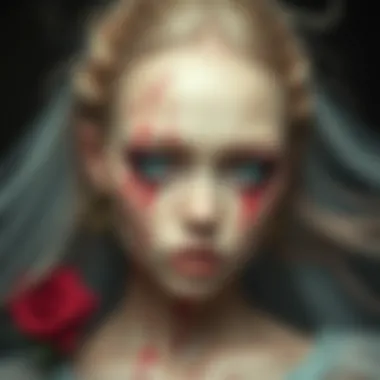

Key characters in popular series often embody the essence of sadic beauty. Take, for instance, Shinji Ikari from Neon Genesis Evangelion. Shinji’s struggles with self-identity and isolation render him a poignant representation of beauty amid despair. His internal conflicts create an emotional landscape that resonates with many viewers.
Similarly, Yuki Nagato from The Melancholy of Haruhi Suzumiya presents another layer of sadic beauty. Her stoic demeanor and mysterious nature symbolize the deep sorrow lurking behind her existence. Despite her detached personality, Yuki’s emotional journey reveals a striking contrast between her surface-level calmness and the turbulent emotions beneath.
These characters show that sadic beauty is not merely about displaying suffering; it’s about how that suffering shapes identity. The emotional complexities of these characters resonate across diverse audiences. Viewers often find themselves reflecting on their struggles through these personas, forging a stronger connection to the story.
Exploring Plotlines and Themes
The exploration of plotlines and themes heavily encodes sadic beauty into narratives. For example, Your Lie in April intricately weaves themes of loss, yearning, and the ephemeral nature of life through its music-centered story. The relationship between Kōsei Arima and Kaori Miyazono paints a vivid picture of joy tainted with sorrow. This juxtaposition showcases how beauty and pain coexist.
Moreover, Attack on Titan reveals sadic beauty through its grim portrayal of humanity’s struggle against overwhelming odds. The characters endure significant losses and trauma, but their arcs unfold with striking depth. Eren Yeager, for instance, transforms from a hopeful dreamer to a grim symbol of vengeance, shedding light on the transformative power of pain.
The balancing act between aesthetic beauty and emotional anguish forms the foundation upon which our understanding of sadic beauty stands.
Through these examples, it becomes clear that plotlines rich with sadic beauty invite audiences to engage in profound emotional exploration. Characters' journeys through pain often lead to unexpected moments of beauty, leaving an imprint on viewers’ hearts.
Reactions to Sadic Beauty
Reactions to sadic beauty serve as a critical examination of how this complex aesthetic resonates with audiences across different spectrums. It's not just about appreciating beauty; it's about engaging with the profound emotional weight that accompanies it. This duality often evokes strong sentiments, prompting viewers and readers to confront their own feelings, experiences, and even discomfort. For anime and manga enthusiasts, this aspect is particularly significant, as it allows for a deeper connection with characters and narratives that may reflect their own struggles or triumphs.
When engaging with sadic beauty, one might find that the beauty derived from sorrow can foster empathy and understanding. It invites audiences to explore the often hidden layers of complexity within human emotions, teaching that beauty does not exist in isolation. Instead, it's molded by experiences of pain, loss, and perseverance. Here are some specific elements to consider when discussing reactions to this aesthetic:
- Emotional Complexity: Many viewers might grapple with the intensity of feelings this aesthetic elicits, leading them to question their own emotional responses and interpretations.
- Cultural Context: Understanding the cultural origins of sadic beauty adds another layer of depth to audience reactions. For instance, in Japanese culture, visual narratives often intertwine serene beauty with profound sorrow, challenging norms and inviting reflection.
- Personal Reflection: Many people find solace and resonance in the portrayal of sadness within beauty, allowing for catharsis and introspection.
In the end, the exploration of reactions to sadic beauty illuminates its power not merely as an aesthetic but as a rich emotional landscape for those willing to delve into its depths.
Critiques and Controversies
Critiques surrounding sadic beauty often hinge on its implications in representing vulnerability and emotional struggle. While many find profound meaning in its exploration of pain, critics argue that glorifying suffering may lead to a romanticization of trauma. Some feel that this can trivialize real-life experiences, reducing genuine struggles to mere aesthetic devices. Here are a few controversies to consider:
- Romanticizing Pain: Critics argue that sadic beauty can glamorize suffering, potentially encouraging unhealthy relationships with grief and trauma.
- Artistic Responsibility: There’s a debate regarding the responsibilities of artists in portraying painful experiences. Should the focus be on genuine representation, or is artistic license an acceptable shield?
- Cultural Sensitivity: The portrayal of sadness and beauty can vary across cultures, making it necessary to tread lightly when critiquing or consuming different narratives.
Consequently, these critiques foster important discussions on the boundaries of artistic expression while encouraging audiences to engage thoughtfully with the material.
Audience Interpretations
Audience interpretations of sadic beauty can be as varied as the viewers themselves, shaped by personal experiences, cultural backgrounds, and individual emotional landscapes. This diversity in interpretation brings rich complexity to the aesthetic, leading to various responses based on personal encounters with beauty and sorrow:
- Empathetic Connections: For many, sadic beauty can create a sense of camaraderie among viewers, fostering connections based on shared emotional experiences.
- Cognitive Dissonance: Some viewers might struggle with the beauty of sadic imagery, torn between admiration and discomfort, this push and pull often leads to deeper contemplation.
- Nostalgia and Reflection: Sadic beauty in narratives might stir memories or feelings of past experiences, prompting audiences to reflect on their own journeys through sorrow and joy.
Ultimately, audience interpretations make sadic beauty a living narrative, one that evolves as it encounters new viewers, each bringing their own insights and emotions to the table.
In understanding sadic beauty, we realize it’s not merely what we see or read; it's what we feel, how we relate, and the subtle stories woven from both beauty and pain.
The Future of Sadic Beauty in Art
As society evolves and technology continues to influence our modes of expression, the concept of sadic beauty appears to gain even more momentum. The merging of the aesthetic with sorrow or pain not only challenges traditional notions of beauty but also reflects the emotional complexities of modern life. An exploration of the future of sadic beauty is vital because it reveals how artists and audiences navigate these intricate emotional landscapes. Understanding this dynamic can enhance our appreciation of art forms that evoke both beauty and sadness, making them resonate on a deeper level.
Emerging Trends in Popular Culture
One cannot ignore the fact that sadic beauty has begun to permeate various facets of popular culture, transcending traditional boundaries.
- Blurring Genres: For instance, the integration of sadic themes within uplifting narratives in anime has become increasingly common. A series might start with a bright and colorful palette, capturing a whimsical aesthetic, only to unravel darker storylines, thereby provoking complex emotional responses from the audience.
- Crossover of Mediums: Additionally, visual novels are becoming a popular platform that embraces this intersection. By combining stunning graphics with deep, often melancholic story arcs, these interactive narratives provide players a chance to engage actively with sadic beauty.
- Social Media Impact: Platforms like Instagram and TikTok also play a significant role in showcasing artistic interpretations of sadic beauty. Artists frequently share their work, whether it be poignant illustrations or poetic expressions that encapsulate loss, using hashtags that elevate visibility.
In short, popular culture continues to harness sadic beauty to challenge perceptions and explore complex emotional terrains. This adaptability signals a sustained relevance of sadic beauty, ensuring its place in future creative expressions.
Sadic Beauty and Digital Media
The rise of digital media offers a unique stage for sadic beauty to evolve. The tools available today allow creators to experiment with this aesthetic in ways previously unimagined.
- Animation Techniques: The finesse of animation, particularly in anime and webtoons, allows creators to convey not just visual beauty but also emotional depth through fluid motions and artistic detail. Characters who embody sadic beauty often have narratives rich in metaphor and symbolism, reflecting existential questions that are pertinent to audiences.
- Virtual Reality Experiences: Emerging technologies like virtual reality (VR) take sadic beauty beyond mere observation. They allow users to step into a narrative world filled with profound visual artistry merged with emotional storytelling, offering a 360-degree experience that can be impactful and transformative.
- Art Collaborations: Digital platforms also facilitate collaborations among various artists from different backgrounds. By fostering intercultural exchanges, sadic beauty can emerge in unexpected artistic forms, blending diverse aesthetics and emotional narratives. These profuse collaborations often lead to innovative art that resonates with wider audiences, making sadic beauty an essential part of modern art discourse.