Exploring the Gundam Series: A Multifaceted Universe

Intro
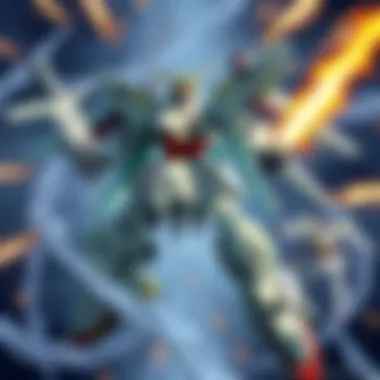
The Gundam franchise is more than just a collection of mecha anime; it's a cultural touchstone that has influenced countless creators and audiences since its inception in the late 1970s. With its sprawling narratives and richly developed characters, it offers a lens through which to examine societal issues, emotional struggles, and the complexities of war and peace. This piece will take you on a journey through the pivotal elements that define the Gundam series, providing insight into its character arcs, thematic depth, and the broader cultural impact it has generated over the decades.
Character Analysis
Overview of Character Development
Gundam is renowned for its diverse cast of characters who undergo substantial development throughout their respective series. The journey from innocence to understanding is exemplified through figures like Amuro Ray and Char Aznable, who are not only adversaries but also reflections of each other's ideologies regarding war and humanity. Characters often start from a place of naivety, where they believe in the nobility of their cause, only to confront harsh realities that reshape their views. Over time, viewers witness transformations that challenge simplistic notions of good versus evil.
For example, in Mobile Suit Gundam 00, Setsuna F. Seiei transitions from a child soldier to a more nuanced and tragic figure grappling with the consequences of his actions. The series deftly illustrates how trauma can alter one’s perspective, presenting Setsuna as a vessel for exploring ideas of redemption and conflict resolution.
The creators of Gundam have frequently adopted a multifaceted approach to character arcs, ensuring that audiences see growth that feels earned and relatable.
Key Relationships and Dynamics
Relationships in Gundam are often fraught with tension, reflecting the complexity of both personal and political interactions. The dynamic between protagonists and antagonists is anything but straightforward. Consider the complicated yet pivotal relationship between Amuro Ray and Char Aznable. Their encounters are not merely battles of machines but confrontations between diverging philosophies.
Key relationships often include:
- Friends turned foes: Characters like Setsuna and Lockon Stratos perceive their camaraderie as central to the Gundam ethos, only to face betrayal, loss, and the reality of conflicting motivations.
- Mentorship: The relationship between seasoned veterans and young pilots provides insight into different ways to confront adversity and war's implications. Characters like Captain Bright Noa embody this mentor role, guiding younger pilots while wrestling with their ghosts.
- Romantic entanglement: Romance occasionally develops amidst chaos, adding layers to character motivations. The evolving relationship between Shiro Amada and Aina Sakhalin in 0080: War in the Pocket highlights how personal bonds can be tested against the backdrop of war.
Thematic Exploration
Central Themes and Messages
Gundam tackles a myriad of themes, prominently featuring the dichotomy between war and peace. The series scrutinizes how individuals navigate their moral compass amidst chaos. A recurring question resonates: Is there a just cause for conflict? This is often addressed through the many facets of in-group versus out-group dynamics. Moreover, the emotional toll of such conflicts on characters drives many plot points, emphasizing the personal over the grandiose.
The series also provides commentary on the nature of technology and its impact on humanity. The advanced mobile suits, while symbols of power, often serve as harbingers of destruction, prompting characters and the audience to consider the cost of such advancements on society. The philosophical dilemma encapsulated in titles like Gundam Wing and Iron-Blooded Orphans emphasizes how technology can empower, but it also poses risks that often lead to unintended consequences.
Cultural Context and Influences
Understanding the Gundam series requires an awareness of the historical context in which it was created. Emerging in post-war Japan, the franchise reflects the nation’s grappling with its past. Themes of loss, reconciliation, and the quest for a better future resonate strongly with audiences that have lived through similar experiences.
The series has, in turn, influenced popular culture, inspiring other anime, films, and even video games. Its distinctive style and storytelling approach prompted a recognition of mecha as a valid genre with depth and heft, breaking away from the notion that animated series are solely for children.
Epilogue
The Gundam universe is a rich tapestry of human emotion and philosophical introspection. With a multitude of characters facing personal demons and societal structures, it invites viewers to ponder the meanings of conflict, resolution, and what it truly means to exist in a world rife with challenges. The legacy of Gundam continues to endure, prompting new generations to engage with its profound narratives and insights. Whether one is a long-time fan or a newcomer just setting foot within this intricate universe, the exploration is bound to yield much food for thought.
For further reading:
- Wikipedia on Gundam
- Britannica on Mecha Anime
- Discussions and insights on Reddit's Anime community
- Cultural critique and news available on Facebook
- Academic explorations can be found at *.edu domains if looking for deep dives into thematic studies.
Historical Context of Gundam
Understanding the historical context of Gundam is essential for grasping not just the series itself but its profound impact on the anime landscape and popular culture at large. This context allows enthusiasts and newcomers alike to appreciate the intricate narratives, character developments, and thematic explorations that Gundam is renowned for. The origins of mecha anime, the birth of Mobile Suit Gundam, and its evolution over the decades reveal the series’ roots, the challenges it faced, and its adaptability in a rapidly changing cultural environment. Delving into this context provides a comprehensive backdrop against which the Gundam saga unfolds, highlighting why it continues to resonate with so many.
Origins of Mecha Anime
Mecha anime has a lineage that stretches back several decades, influenced by early science fiction and futuristic concepts. The genre can trace its beginnings to the Tetsujin 28-go, created in the 1950s. This series introduced giant robots into popular culture and paved the way for many other works. By the 1970s, mecha anime was beginning to solidify its own identity, exploring themes beyond simple battle scenarios. Early series like Mazinger Z and Getter Robo combined action with deeper narratives, setting a foundation for stories that involved complex moral dilemmas and the human condition.
Moreover, societal shifts in Japan during this period—like rapid industrialization and technological advancements—also played a significant role in shaping the mecha genre. Japan’s post-war recovery saw a surge in technological confidence, which infused the mecha genre with an optimistic view of human-machine interaction and the potential for innovation in the future.
The Birth of Mobile Suit Gundam
The launch of Mobile Suit Gundam in 1979 marked a significant turning point in mecha anime and established a new paradigm. Creator Yoshiyuki Tomino took a different approach, focusing on realism and the consequences of war. Instead of the heroic archetypes often seen in earlier mecha series, Gundam showcased flawed characters grappling with their morality amidst conflict.
What differentiated Mobile Suit Gundam was its emphasis on psychological depth and sociopolitical commentary. The story was set in a world divided between Earth and space colonies, mirroring real-world issues of the time, such as Cold War tensions. This layered storytelling invited viewers to engage with complex themes, such as the futility of war and the burdens of leadership. As a result, rather than diminishing the genre's popularity, it expanded its audience and set a new standard for future series.
Evolution Through Decades
In the years following its debut, the Gundam franchise underwent numerous transformations, each reflective of the changing tastes of the audience and societal issues at the time. Zeta Gundam, released in 1985, rolled out a darker narrative, emphasizing the cyclical nature of conflict. This was followed by Gundam Wing in the 1990s, which appealed to a new generation by incorporating elements of teen drama and idealism that resonated with the youth of that era.
The 2000s ushered in a trend of revisiting themes from earlier series, but with modern animation techniques and fresh storytelling approaches. Works such as Mobile Suit Gundam 00 not only updated the series graphics but also delved into themes regarding terrorism and the role of military power in a globalized world. This evolution has kept Gundam relevant, demonstrating an ability to adapt while maintaining its core tenets.
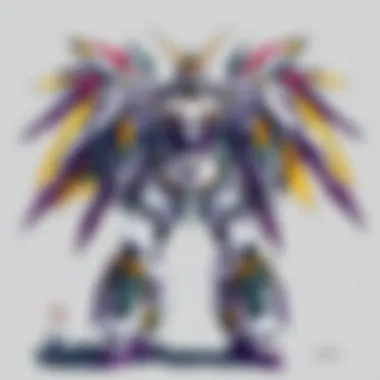

As Gundam celebrates its continued longevity in the anime world, it remains a remarkable blend of science fiction, philosophy, and societal reflection. It encourages discussions about war, technology, and human emotion, reinforcing its place in cultural history.
Gundam Series Overview
The Gundam series is not just a collection of animated tales filled with giant robots; it is a pivotal element in understanding the evolution of anime and its cultural significance. The importance of this overview lies in its ability to bridge various aspects of the Gundam franchise, showcasing how each entry contributes to the intricate tapestry of narratives that the series weaves. By delving into the main entries, spin-offs, and the nuanced impact of original video animations (OVA) and films, enthusiasts can gain insight into the enduring legacy and appeal of Gundam.
Main Entries in the Franchise
When we speak about the primary entries of the Gundam franchise, it’s like opening a treasure chest of iconic titles that have shaped not just the field of mecha anime but anime as a whole. Each series, from the original Mobile Suit Gundam debuted in 1979 to the latest iterations, holds unique significance.
- Mobile Suit Gundam (1979): The inception of this timeless franchise introduced complex moral dilemmas, showcasing war's grim reality rather than glorifying it. This grounded approach set the series apart from other giant robot shows of the time, which often leaned heavily on whimsical narratives.
- Zeta Gundam (1985): Taking a darker turn, Zeta Gundam will be remembered for its existential themes and intense character development, which made a profound impact on fans.
- Gundam Wing (1995): This series targeted a global audience, proving that Gundam could successfully transcend Japanese borders. Its focus on political intrigue and character-driven storytelling resonated widely.
- Mobile Suit Gundam: Iron-Blooded Orphans (2015): Offering fresh perspectives on classic themes, this entry examined child soldiers and the corrupting influence of power, reminding viewers of the deep emotional stakes often involved in conflicts.
In covering these main entries, one cannot overlook the evolution of storytelling, animation quality, and thematic maturity. Each installment serves as a stepping stone, catalyzing dialogues among viewers and critiques alike.
Spin-offs and Alternative Universes
The beauty of the Gundam franchise lies not only in its mainline works but also in the myriad of spin-offs and alternative realities it has spawned. Such expansions offer a playground for creativity, allowing different takes on the Gundam concept while exploring other themes.
- Gundam Build Fighters (2013): This spin-off shifted the narrative approach from intense warfare to competitive model building, appealing to a younger audience while still embedding the essence of the Gundam universe.
- Gundam 00 (2007): This entry provided a reimagining of Gundam's core attributes by emphasizing a more contemporary, global perspective on conflict, thus engaging with modern geopolitical issues.
- The Origin (2015): A prequel series that not only deepened the lore and refined character backstories but also acknowledged the artistry of Mobile Suit Gundam, maintaining a delicate balance between reverence and innovation.
The various spin-offs cater to different tastes and highlight the versatility of the Gundam mythos. They allow fans to experience the vastness of the universe, prompting discussions about continuity and narrative coherence across multiple timelines.
Impact of OVA and Films
Then we have the sheer influence of OVAs and films within the Gundam canon. These adaptations extend the mythos beyond traditional television formats and foster a deeper emotional engagement with audiences. Some notable mentions include:
- Mobile Suit Gundam: Char's Counterattack (1988): This cinematic offering stands as a culmination of all that came before it, featuring riveting battles and a climactic showdown between the series' most iconic rivals.
- Gundam Unicorn (2010): Released as a series of OVAs, it effectively enthralled fans with its stunning animation and intricate storytelling, bridging gaps in the timeline and offering a fresh narrative for longtime followers.
- Twilight Axis (2017): As a smaller OVA, this entry might not have garnered the same attention but continues to explore the overarching themes of loss and redemption that runs through the Gundam lineage.
These films and OVAs provide an opportunity for deep dives into character motivations, philosophical questions, and narrative arcs, further enriching the viewer's understanding of the Gundam universe.
Through careful analysis of main entries, creative spin-offs, and compelling films and OVAs, one can appreciate the multifaceted nature of the Gundam franchise. Each aspect works like a piece in a grand jigsaw puzzle, revealing a world that perplexes and fascinates, and inviting both newcomers and die-hard fans to explore its depths.
Character Analysis
In any narrative, the characters are often the backbone of the story. This is especially true in the Gundam series, where each character serves as a vessel through which complex themes are explored. Character analysis in the Gundam universe enables viewers to understand the motivations, struggles, and transformations that individuals undergo amidst war and conflict. This profound dissection not only enriches the viewing experience but also captures the essence of human emotion reflected in a mechanical world. By diving deep into character arcs, we find the threads that tie back to the overarching themes of love, loss, and redemption, thus setting the stage for a comprehensive exploration of what makes Gundam so compelling.
Iconic Protagonists
The protagonists of Gundam have become iconic for good reason. Each pilot, whether it be Amuro Ray or Kamille Bidan, embodies a distinct worldview shaped by their experiences. Amuro’s journey from a reluctant pilot to a steadfast hero illustrates the stark realities of growing up in a war-torn environment. Meanwhile, Kamille’s emotional turmoil adds a layer of psychological depth that portrays the struggles of adolescence merged with the burdens of warfare.
The characteristics are often layered and complex. They reflect real-world issues:
- Morality: Protagonists must confront ethical dilemmas that force them to choose between what is right and what is necessary.
- Personal Growth: Trajectory from innocence to experience, witnessing firsthand the atrocities of war, shapes their personalities, leading to significant internal changes.
- Connection to Others: Interactions with fellow characters enrich the story further, showcasing how relationships can be both a source of strength and conflict.
The Antagonists' Narrative Role
Antagonists in the Gundam series are not mere villains; they often provide insight into the cosplay of ideologies that clash with the protagonists. Figures like Char Aznable challenge conventional perceptions of heroism, adding layers of gray to the narrative. Char’s motivations, driven by a desire for vengeance and control, prompt viewers to consider the psychological complexity behind his actions.
Examining the antagonists reveals crucial elements:
- Philosophical Conflict: They often represent contrasting beliefs, igniting debates about freedom, power, and the morality of warfare.
- Catalysts for Change: Antagonists push protagonists to evolve. Their conflicts create moments of introspection that may lead to personal breakthroughs.
- Reflection of Society: Many antagonists serve as critiques of the societal systems that perpetuate war, shedding light on the broader issues at play and encouraging deeper thought from the audience.
"The line between hero and villain is thinner than we often perceive, and in Gundam, it’s often about the choices each character makes in the face of overwhelming circumstances."
Supporting Characters: Depth and Complexity
While protagonists and antagonists often steal the spotlight, the supporting characters bring a unique vitality to the series. They are often the unsung heroes or victims of circumstance, embodying rich narratives that enhance the main storyline. Characters like Bright Noa and Sayla Mass contribute different perspectives and emotional stakes, illustrating how multifaceted relationships exist in a setting filled with mecha and warfare.
The importance of supporting characters can be distilled into a few key aspects:
- Balance and Support: They often act as a grounding force or a moral compass, reflecting back the central themes to the audience.
- Diversity of Perspectives: Supporting roles reveal varied viewpoints within the universe, illustrating that everyone is affected by war, not just the primary pilots.
- Human Experience: They show the vulnerability and resilience of humanity, giving the series emotional weight that resonates with the viewers.
Understanding this rich character tapestry in the Gundam universe not only enhances our appreciation for the story but also compels us to reflect on our own lives and the complexities of human nature.
Thematic Explorations
The Gundam series offers a rich tapestry woven from various themes that resonate deeply with its audience. Understanding these themes not only enhances appreciation of the series but also illuminates broader social and philosophical questions that are applicable to the real world. The exploration of themes like war, peace, and human emotions in this narrative illustrates not just the universality of conflict, but also highlights the intricate relationship between humans and machines.


Thematic explorations in Gundam serve as reflections of human condition, emphasizing dilemmas faced in times of war and the quest for understanding and peace. This makes the series particularly compelling, allowing it to stand apart in the crowded landscape of anime. Themes are not purely academic; they connect emotionally, urging viewers to reflect on moral choices and personal growth amidst chaos.
War and Its Consequences
Delving into war's consequences is one of the most poignant aspects of the Gundam series. The narratives often showcase the heartbreaking aftermath of conflict, portraying a spectrum of human experiences shrouded in turmoil. One cannot overlook how Gundam's depiction of war serves as a critique of its glorification in society. The breakdown of relationships, the psychological burden on soldiers, and the moral ambiguity are front and center.
Characters like Amuro Ray and Char Aznable epitomize the personal toll exacted by warfare. Amuro starts as an inexperienced pilot, but as the series progresses, viewers witness his transformation through direct exposure to the chaos and futility of combat. The once bright-eyed youth morphs into a soldier burdened by loss and heartache.
"War is a terrible thing, yet it is often portrayed as a mere battle between heroes and villains. Gundam goes deeper, exploring the true cost of conflict."
The series frequently juxtaposes military success with emotional wreckage, urging the audience to ponder the true cost of their victories. The consequences of armed conflicts portrayed here resonate even beyond the realm of anime, making them painfully relevant in discussions of modern warfare.
Peace and Conflict Resolution
Amidst the chaos, the Gundam series also highlights the pursuit of peace and methods for resolving conflict. Many story arcs explore characters seeking diplomatic solutions rather than succumbing to violence. The struggle for understanding between factions—often represented by the Earth Alliance and the colonies—underscores a critical examination of different perspectives.
Prominent figures advocate for peace amid adversity, showcasing that communication and mutual respect can pave pathways toward resolution. This philosophy challenges the notion that military prowess is the ultimate solution to conflicts. The character Quattro Bajeena frequently embodies this philosophy, seeking alternative paths to combat to advocate for peaceful coexistence.
Moreover, Gundam does not shy from presenting failure in peace efforts, reinforcing a crucial learning point: conflict resolution requires dedication and resilience. This portrayal of peace efforts serves as a reminder that achieving harmony is a multifaceted and often frustrating journey.
Human Emotions in Mechanical Battles
The juxtaposition of human emotions with the backdrop of mecha battles forms the very heart of Gundam. This melding of personal narrative with mechanical warfare underscores the series' ambition to question what it means to be human in an age increasingly dependent on technology.
Characters grapple with their feelings, showcasing anger, fear, sadness, and even love amidst colossal battles. The mecha, often monumental and cold, stands in stark contrast to the raw, relatable human emotions displayed by the pilots. For instance, the emotional struggles faced by Sayla Mass as she pilots the Gundam reflect the internal conflicts experienced by individuals amidst grand hostilities.
Through its rich character arcs, Gundam illustrates that machines may enact battles, but it is human emotion that drives conflict and resolution. The strong emotional undertones allow viewers to engage on both a narrative and philosophical level, pondering their own relationships with technology and the emotions that accompany such interactions.
In summary, themes like war, the quest for peace, and the infusion of human emotion in the mechanical battles are instrumental in establishing Gundam as one of the most enduring animes. By exploring these themes, audiences are invited not only to engage with complex characters and narratives but also to reflect on the broader implications of such conflicts in modern life.
Technical Aspects of Mecha Design
The technical aspects of mecha design play a vital role in the Gundam series, forming the backbone of its identity and appeal. Each mech, or mobile suit, is not just a vehicle, but a character in its own right, often embodying ideals, beliefs, and conflict through its unique aesthetic and mechanical specifications. Understanding these elements enhances our appreciation of the narrative depths and cultural significance embedded within the franchise.
The Evolution of Gundam Designs
From its inception, Gundam designs have showcased a fascinating evolution that mirrors technological advancements and the shifting tastes of audiences. The original design of the RX-78-2 Gundam, with its simple color palette and blocky proportions, laid the groundwork for future iterations. Over the years, designs have grown increasingly complex and stylized, incorporating a combination of sleek lines, dynamic forms, and intricate detailing.
For example, the Gundam Unicorn presents an aggressive stance with its vibrant color scheme and elaborate transformation capabilities. This evolution not only reflects artistic trends but also technical progress in animation and design techniques. As digital rendering became more commonplace, the possibilities for creating stunning visuals and realistic mecha movements increased significantly. This adaptability ensures that each new series resonates with its audience while maintaining a connection to its roots.
Realism vs. Fiction in Mecha Engineering
In the world of Gundam, realism often walks hand in hand with fiction. The designs incorporate plausible engineering concepts while allowing for the fantastical capabilities that define the genre. From beam sabers to articulated joints that mimic human movement, there is a sense of believability infused into the mechanics.
However, this balance can significantly vary across different series. For instance, in Mobile Suit Gundam: Iron-Blooded Orphans, the mechas are visually heavier and more rugged, reflecting a gritty, harsh universe. In contrast, the sleek, high-performance suits in Gundam Wing highlight the advanced technology of a more idealistic environment. This juxtaposition serves not just as a storytelling device but as a commentary on how technology intersects with human experience in times of conflict.
Symbolism in Mecha Aesthetics
Beyond their physical forms, Gundam designs are laden with symbolism, often reflecting deeper themes related to the stories they inhabit. Colors, shapes, and even the names of the mobile suits often represent key traits of their pilots or the overarching themes of the series.
For example, the iconic blue of the Gundam Seed's Strike Gundam symbolizes tranquility and stability, contrasting with the chaotic and turbulent narratives of war surrounding it. Similarly, the Zeta Gundam features transformation capabilities that signify adaptability and the dual nature of its pilot's journey.
The, intricate and thought-provoking designs of Gundam mechas resonate on multiple levels, enriching the narrative experience for enthusiasts.
These aesthetic choices create layers of meaning, inviting viewers to look beyond the surface and engage deeply with the plots and characters.
Cultural Impact of Gundam
The impact of the Gundam series on culture is profound. It stretches beyond just being an animated spectacle; it has embedded itself in the very fabric of fandom, media discussions, and merchandise strategies. Understanding this cultural footprint is essential for grasping the relevance of Gundam in discussions about modern anime. Some may think of Gundam merely as a collection of giant robot battles, but there's much more at play. Each iteration speaks to changes in society, attitudes toward technology, and perspectives on war.
Gundam in Popular Culture
Gundam has become a cultural touchstone, influencing a broad array of media, including television shows, movies, and even video games. References pop up everywhere — from parody sketches in popular shows to serious discussions about its philosophical implications.
- Gundam's visual design has set a benchmark; mecha designs inspired by it can be seen in numerous franchises.
- It's not out of the ordinary to catch EVA and Gundam elements subtly woven into discussions around not just anime but in film and even art.
Furthermore, the visual iconography is celebrated in various art forms, including exhibitions featuring mecha-related themes, showcasing the broader appeal of Gundam's aesthetics and narrative philosophy.


Merchandising and Its Influence
One cannot discuss Gundam without mentioning the behemoth that is its merchandising machine. This aspect has played a crucial role in ensuring the franchise's longevity and cultural relevance. With everything from model kits to apparel, the influence of Gundam in retail spaces is staggering.
- Gunpla, or Gundam plastic models, has its culture — attracting hobbyists globally. Competitions ensue, where enthusiasts showcase their builds, fostering a community around creation and craftsmanship.
- The merchandising strategy has paved the way for events like the Gundam Base, where fans can immerse themselves in the universe through themed merchandise, interactive exhibits, and exclusive offerings.
This level of engagement illustrates how merchandising is not merely an afterthought but a vital aspect of the Gundam identity — shaping community interactions and fueling interest in the series.
Fan Community and Interaction
At the heart of Gundam's cultural impact lies its fan community, a passionate and diverse group. The community thrives on shared interests, and its interaction is multifaceted, ranging from online forums to physical conventions. Social platforms like Reddit host extensive discussions, where fans delve into lore, comparisons of mecha, and fan theories around the series.
- Forums and Discussion Groups: Spaces like Reddit allow fans to discuss their favorite stories and characters, creating a vibrant pool of ideas and fan creations.
- Events and Conventions: Annual gatherings, such as Anime Expo, build camaraderie among fans, providing a platform to explore their deep-rooted love for the franchise.
"The Gundam franchise isn't just a series; it's a community of individuals united by a love for complex narratives and epic battles."
Through such interactions, fans not only express their appreciation but also contribute to an ongoing discourse that shapes future series developments.
In summary, the cultural impact of Gundam spans multiple dimensions, influencing not only the anime industry but also being a cornerstone in fan interactions and merchandising strategies. As we think ahead, it remains crucial to recognize the enduring legacy created by this universe.
Comparison to Other Mecha Series
The Gundam franchise stands as a titan in the realm of mecha anime, but it's essential to position it in relation to other notable series that have shaped the genre. By comparing Gundam to its counterparts, we can appreciate its uniqueness while highlighting the thematic and narrative innovations that set it apart. This discussion doesn't simply dwell on differences; it explores the evolving conception of mechas and how Gundam's core philosophies resonate against the backdrop of rival series.
Gundam vs. Evangelion
When we talk about mecha anime, it's hard to overlook Neon Genesis Evangelion. This series revolutionized the genre, delving deep into psychological and existential themes, often presenting its mechs—the Evas—as not just machines, but extensions of human emotion and trauma. While Evangelion took the path of introducing psychological complexity into the mecha, Gundam has remained more focused on political narratives and war ethics.
For instance, characters like Amuro Ray and Char Aznable grapple with their personal identities and conflict, but their struggles are often framed in the larger context of interstellar warfare and ideological battles, unlike Shinji Ikari's deeply personal psychodrama. In this way, Gundam provides a lens to view war's reality rather than a reflection of human psyche, making it not just a story about robots in battle but an analysis of the socio-political ramifications of war.
Unique Elements of Gundam
The hallmark of the Gundam series lies in its incorporation of realism within a fantastical context. Unlike other mecha series that might lean into a more fantastical design or narrative structure, Gundam grounds its stories in relatable political dilemmas and moral ambiguities.
- Diverse Innovations: Gundam introduced various types of mobile suits, each with specifications that reflect their role in battle, ranging from the agile Zaku to the heavyweight Guncannon.
- Character-Driven Storylines: Every series within the franchise explores layered protagonists and antagonists who often reflect real-world ideologies and complexities.
- Design Philosophies: Gundam mecha designs aren’t without thought; they symbolize broader themes, like hope, sacrifice, and the harsh realities of warfare.
This blend of thoughtful design, rich narrative arcs, and an array of mobile suits defines Gundam and sets it apart from more archetypal mecha stories.
Classical vs. Modern Interpretation of Mechas
The portrayal of mechs has undeniably changed from the classic iterations of earlier series to the modern takes we see today. In the 1970s, mechs were often depicted simply as mechanical warriors with exterior armor, designed for visual spectacle. As the anime landscape evolved, so did the interpretation of what mechas could represent.
- Classic Interpretations: Traditionally symbolize strength, power, and might. Earlier Gundams were often portrayed as heroic entities leading the charge into battle, embodying ideals of valor and bravery. These classic mecha designs often shy away from complexity, focusing on aesthetics that emphasize their battle capabilities.
- Modern Interpretations: Contemporary series delve more into philosophy, emotion, and social commentary, pushing the boundaries of their mechanical representations. Now, mechas are often a canvas for exploring personal trauma, ideological struggles, and environmental concerns.
In this evolution, Gundam maintains its signature blend of realpolitik and emotional nuance, continuing to push the envelope on what mechas can embody, making them not just machines but complex characters in their own right.
Future of the Gundam Franchise
The significance of delving into the Future of the Gundam Franchise lies not just in its popularity but in the way it continues to shape the fabric of anime culture. As this esteemed series, which has spanned over four decades, gears up for new ventures, it is critical to analyze what lies ahead. Fan expectations are high, and the creative team behind Gundam has shown an unwavering commitment to innovation while honoring its rich legacy.
Upcoming Series and Projects
Looking forward, several notable series and projects are in the pipeline. For instance, Mobile Suit Gundam: Cucuruz Doan's Island has already garnered attention, promising a fresh narrative infused with the essence of the original series. Furthermore, the upcoming Gundam: The Witch from Mercury is on track to introduce new themes and characters, expanding the universe into uncharted territories.
In addition to television series, there are also live-action adaptations that aim to cater to a global audience. These projects not only bring Gundam to new viewers but also reflect the franchise's adaptability to diverse storytelling formats.
Here are some key projects on the horizon:
- Mobile Suit Gundam: The Witch from Mercury (2022)
- Gundam: Cucuruz Doan's Island (2022)
- Announcements on live-action adaptations and collaborations, such as those with Netflix or other major platforms.
Technological Advancements and Animation Techniques
As Gundam looks ahead, it incorporates cutting-edge technology into both its storytelling and visual presentation. The advancements in CGI and animation techniques have led to increasingly realistic representations of mechas, creating a sense of immersion that was once the stuff of dreams. Studios have been employing 3D modeling alongside traditional 2D animation, which can bridge gaps between the two aesthetic styles.
Moreover, the integration of artificial intelligence in animation processes is revolutionizing how scenes are crafted and rendered. This not only expedites production but also enhances visual fidelity, allowing for grander scale battles and more intricate details in mobile suit designs.
Gundam's Place in the Evolving Anime Landscape
Gundam's enduring legacy is also reflected in its adaptability to the shifting landscape of anime. With a new generation of viewers who are more globalized and have varied tastes, Gundam has the potential to evolve narratives that resonate profoundly with contemporary audiences.
The franchise's focus on complex storytelling, thematic depth, and character development continues to set it apart from newer entries in the genre. The challenge, however, is to maintain that balance between innovation and respect for the original lore, ensuring that longtime fans and newcomers alike find something to connect with. Furthermore, collaborations with international creators could introduce fresh perspectives, breathing new life into the Gundam universe that keeps it relevant and engaging.
"The future of Gundam is not merely about extending a brand but about embracing new possibilities within a storied framework, ensuring it remains an illuminating beacon in the anime world."