Exploring the Artistic Depth of Black Clover Animation


Character Analysis
Overview of Character Development
In the world of Black Clover, character development is not a mere introductory checklist; it is a meticulous journey that showcases growth through trials and triumphs. At the center of this exploration lies Asta, a boy born without any magical power in a realm where magic reigns supreme. His journey begins with immense ambition, aiming to become the Wizard King despite the overwhelming odds stacked against him. This narrative thread elevates not just Asta but also adds weight to his character arc, allowing audiences to witness how determination can surmount even the most daunting barriers.
While Asta embodies raw determination, his rival and best friend Yuno presents a striking contrast. Yuno is endowed with extraordinary magical abilities, which initially serves to elevate the tension between these two characters. The dynamic between Asta and Yuno is particularly illustrative of core themes like rivalry, friendship, and perseverance, which reflect the complexities of human relationships. The series’ creators essentially argue that to succeed, one must harness both the power of grit and the grace of magical talent.
As characters evolve, figures such as Noelle Silva bring to the fore intricate narratives of personal insecurity juxtaposed with ambition. Her growth from a self-doubting noble to a confident, capable fighter resonates deeply with many viewers, making such character arcs relatable in their intimate portrayal of struggle and achievement.
Key Relationships and Dynamics
The relationship dynamics within Black Clover are rich and multi-layered. Asta's unwavering friendship with Yuno may be one of the most critical, illustrating a bond that's as much about rivalry as it is about mutual growth. Furthermore, the relationship between characters like Asta and Noelle subtly unfolds, revealing deeper ties that expand on the traditional notions of companionship in varied contexts.
In addition, interactions with supporting characters like Luck Voltia and Charmy Pappitson add comedic and heartfelt moments to the story. These interactions smoothly blend humor with heartfelt lessons about camaraderie and loyalty, enhancing the texture of the narrative.
"Character relationships are as crucial as the spells they cast; they determine not just the fate of battles but the heart of the story itself."
Thematic Exploration
Central Themes and Messages
Black Clover introduces themes of perseverance, self-worth, and acceptance. Asta's unyielding spirit rings clear with messages that challenge the audiences to look beyond inherent capabilities. The exploration of magic as both a boon and a burden forms a philosophical backdrop that appeals to a sense of higher understanding. The narrative encourages viewers to embrace their uniqueness, regardless of societal expectations or personal limitations.
Cultural Context and Influences
The impact of Black Clover in the anime sphere cannot be overstated. It draws upon traditional shonen motifs while infusing a modern dialogue about dreams and aspirations. The cultural influence is palpable, drawing interest globally, but especially in its home country of Japan. With themes resonating with Shinto beliefs surrounding perseverance and self-determination, Black Clover reflects broader societal values regarding hard work and ambition.
In essence, the anime encapsulates not only the traditional fabric of storytelling but also integrates elements of contemporary societal dilemmas, making it relatable to a broad audience. This duality unfolds in the narrative, serving as both a fantasy realm and a mirror to real-world struggles, providing viewers with a viewpoint that is both escapism and intimate reality.
For a more comprehensive understanding, readers can delve into related discussions and analyses on platforms like Reddit or read more about Japanese anime influences on Wikipedia.
Continuing the exploration of Black Clover, we will further dissect its artistic style, narrative delivery, and the nuances that solidify its status within the expansive world of anime.
Prelims to Black Clover
The allure of 'Black Clover' resonates deeply within the anime community, capturing the imaginations of a diverse audience from aspiring wizards to casual observers of the genre. In a landscape brimming with magical exploits and grand narratives, this series carves its niche through compelling storytelling, exquisite animation, and richly layered characters. This section serves as a gateway into the world of 'Black Clover,' showcasing why it holds a significant place in contemporary anime.
Overview of the Series
'Black Clover' unfolds in a realm where magic reigns supreme and those without it are often looked down upon. The series follows Asta, a boy born without any magical ability in a world where everyone else possesses an array of spells, abilities, and powers. This premise sets the stage for a riveting journey of perseverance, friendship, and rivalries. The primary goal of Asta is to become the Wizard King, a title that signifies not only strength but also leadership among magic users. This ambitious goal resonates with anyone who's faced the odds stacked against them, making Asta a quintessential underdog figure.
The narrative does not solely hinge on Asta's struggle; it intricately weaves the destinies of other characters, painting a broader picture of camaraderie and growth. The series adeptly blends action, humor, and serious tones to create a balanced viewing experience. A viewer can expect to see epic battles alongside heartwarming camaraderie, giving life to a vibrant and dynamic world.
Creation and Development
The journey of 'Black Clover' began as a manga written by Yūki Tabata, first serialized in 2015. Its transition from page to screen marks a critical phase in its development, showcasing a collaborative effort between multiple creative crews including the animation studio, Pierrot. Known for their meticulous attention to detail and dynamic layering, Pierrot has breathed life into Tabata's vision. The adaptation process is a multi-faceted endeavor—balancing fidelity to the source material while introducing elements designed for animated storytelling.
Over the years, 'Black Clover' has garnered attention not just for its artistry but also for how it has misfit tropes, a common element that permeates within the shōnen genre. The series doesn’t shy away from depicting personal sacrifices and the emotional toll that one faces while pursuing their dreams. This insight into character motivations creates a deeper connection with the audience.
In sum, the setup and groundwork laid in this introductory section do more than just outline 'Black Clover'; they illustrate how it bridges the gap between various themes and plots, offering viewers a true sense of adventure and self-discovery.
The Artistic Style of Black Clover
The artistic style in Black Clover plays a vital role in shaping the viewer's experience. It serves not only as the visual canvas for the tale of Asta and his companions but also reflects the underlying themes of determination, friendship, and the struggle against adversity. In the realm of anime, where art is just as crucial as narrative, the choices made in character design, animation techniques, and color palette significantly impact audience engagement and emotional connection.
Character Design
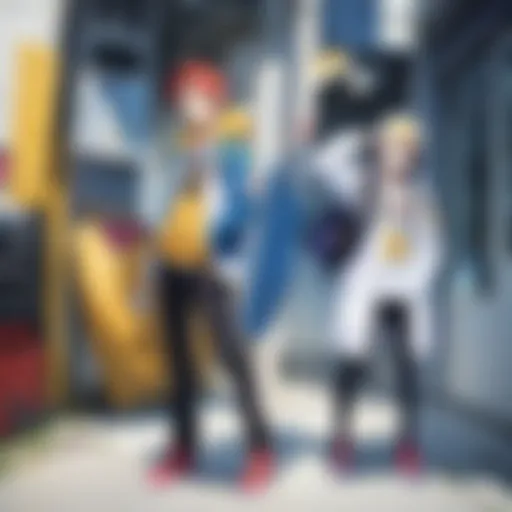
Character design in Black Clover is a distinctive element that helps establish identities among the protagonists and antagonists. Each character embodies a unique style that reflects their personality and abilities. For instance, Asta’s spiky, bright hair and distinctive attire convey his energetic and relentless nature, reminiscent of his undying ambition to become the Wizard King.
On the flip side, characters like Noelle Silva exude elegance with her refined outfit and poised demeanor, hinting at the regal background she hails from. The way characters are drawn not only attracts viewers but also provides subtle hints to their development arcs. More than a mere aesthetic choice, these designs enhance storytelling depth.
The designers have done a commendable job ensuring that even side characters are not simply one-dimensional fillers. They each boast unique traits—look at Charmy, whose fluffy hair and childlike features juxtapose her fierce warrior spirit. Through character design, the show successfully communicates the diverse personalities and backgrounds, adding layers to the narrative.
Animation Techniques


Animation techniques applied in Black Clover set it apart from many other series in its genre. The use of dynamic frame-by-frame animation brings crucial battles to life, allowing viewers to experience the adrenaline rush as Asta swings his sword or as Yuno conjures his magic. The fluidity of these sequences emphasizes the kinetic energy of the fight scenes, creating a sense of immediacy and excitement.
Moreover, the contrasts in animation styles during pivotal moments are worth noting. For example, during character transformations or critical battle scenes, heightened detail and frenetic motion bring climactic scenes to a fever pitch, engaging the audience and highlighting the stakes involved. This technique serves to enhance not only the emotional weight of the narrative but also the viewer's immersion.
Color Palette and Visual Themes
The color palette of Black Clover is notably vibrant and varied, much like the personalities it depicts. Each arc utilizes specific colors to evoke emotions, guiding the audience through the ups and downs of the story. For instance, the lush greens and bright golds associated with the Clover Kingdom project a sense of hope and ambition, while darker shades may accompany moments of despair or villainy.
Visual themes in the series often parallel its narrative arcs. The frequent use of contrasting colors between light and dark, especially during intense confrontations, highlights the dichotomy of good versus evil, a central theme throughout the show.
In essence, this artistic approach not only captivates but also embellishes the storytelling, weaving visuals and narrative into a seamless narrative tapestry that enhances viewer engagement. The combination of character design, advanced animation techniques, and a thoughtful color palette together shapes Black Clover into a standout series.
"Artistic style is not just decoration—it's the heartbeat of every story, breathing life into the characters and their journeys."
Narrative Structure
When we speak of Narrative Structure, we’re venturing into the backbone of Black Clover. The carefully crafted narrative doesn’t just serve to advance the plot; it becomes a vital element that shapes the viewer's engagement. Each twist and turn in the story reinforces themes, character relationships, and broader societal commentaries, offering multiple layers of understanding. It’s this intricate structure that holds the series together and maintains interest, separating it from other anime in the genre.
Plot Overview
At its core, Black Clover tells the story of Asta, a determined boy born without magic in a world brimming with it. His dream of becoming the Wizard King encapsulates the essence of human tenacity against odds. This premise drives the plot, and along the way, Asta's relationships and rivalries deepen the narrative.
The world of Black Clover is divided, with various kingdoms and factions, each with unique rules and hierarchies. By using quests, battles, and competitions to drive the storyline, the series seamlessly integrates action with character development. Events like the Magic Knights Entrance Exam and battles against powerful foes such as the Eye of the Midnight Sun injects vital energy into the story, while simultaneously allowing for side arcs that enrich the main narrative. This duality between overarching goals and personal trials keeps viewers on their toes.
Character Arcs and Development
Character development is the lifeblood of Black Clover. Each character serves a purpose, reflecting themes of perseverance, friendship, and rivalry. Asta's growth from a magic-less boy to a formidable force highlights the series' focus on inner strength. His determination inspires those around him, especially his childhood friend, Yuno.
Yuno, on the opposite end of the spectrum, starts as a prodigy, which creates a compelling tension between the two characters. The rivalry evolves, showcasing how both can achieve greatness against the odds but through utterly different paths. Supporting characters like Noelle Silva and Yami Sukehiro offer further depth. For instance, Noelle’s journey of self-acceptance and mastery of her magic connects with viewers on a personal level.
This nuanced development is punctuated by moments of trial and tribulations, pushing characters beyond their limits while reinforcing their motivations. Each arc not only deepens the audience’s connection with the characters but also builds a rich tapestry that mirrors our own life's struggles and victories.
Thematic Exploration
The themes woven into Black Clover are as invigorating as they are diverse. At first glance, one could interpret it as a classic Tale of Friendship, but dig deeper, and it reveals richer undertones. Themes of hope, hardship, and social class disparities emerge frequently.
The series critically examines the concept of meritocracy. Asta, who initially lacks any magic, epitomizes the struggle against societal expectations. His rise to prominence challenges the established norms and prompts the audience to question what it means to attain success.
There’s also a profound exploration of acceptance—both of others and oneself. Several characters grapple with personal demons and familial expectations. The trials faced by each character underscore the importance of finding one’s identity in a world that often seeks to label and limit them.
In summary, Black Clover’s narrative structure is not merely a framework for plot progression; it's a carefully designed web of stories, character arcs, and thematic inquiries that engage and resonate with audiences. By examining the layering of plot, character, and theme, one unveils the profound artistry behind a seemingly straightforward shonen narrative.
Character Analysis
Character Analysis holds a pivotal place in understanding the depths of Black Clover. This exploration not only sheds light on the motivations and changes within the characters but also reveals how these elements contribute to the story’s overarching themes. The resonance of a well-rounded character can elevate a narrative, drawing viewers into their struggles, triumphs, and growth. This section aims to dissect the protagonists, antagonists, and supporting characters that make Black Clover an engaging saga.
Protagonists
In Black Clover, the protagonists are not just heroes; they embody the struggles and aspirations of those who dare to dream. Asta, the main character, stands out with his relentless pursuit of becoming the Wizard King, despite being born without magical abilities. His determination resonates with many, symbolizing the idea that sheer will can overcome adversity. Unlike typical heroes driven by lineage or destiny, Asta is an embodiment of perseverance and hard work.
Yuno, Asta's childhood rival, complements Asta's character trajectory. Born with immense talent, he navigates the pressures and responsibilities of being gifted. The contrast between Asta's effort and Yuno's natural ability brings a unique layer to their relationship, showcasing themes of friendship, rivalry, and self-discovery.
The dynamic between these two characters highlights a crucial aspect of storytelling: the balance between hard work and innate talent. As viewers follow their journeys, they can’t help but reflect on their own lives and the challenges they face, which ultimately enhances the relatability of the narrative.
Antagonists
On the flip side, the antagonists in Black Clover are crafted with complexity, adding depth to the conflict. One of the notable villains, the Wizard King’s former ally turned adversary, Licht, presents a challenging dilemma for both the protagonists and the viewers. His motivations are rooted in a past filled with betrayal and loss, raising ethical questions about his methods in achieving a world where magic and non-magic users can coexist.
The antagonistic forces are not simply evil for the sake of evil; instead, they present philosophical challenges that enrich the narrative. For instance, the introduction of the Diamond Kingdom and its desire to exploit magic introduces a broader commentary on power dynamics and exploitation that resonates with real-world issues.
"In Black Clover, the lines between hero and villain often blur, creating a rich tapestry of moral dilemmas that challenge the characters and the audience alike."
Supporting Characters
The supporting characters play a crucial role in unveiling the narrative’s core themes. Characters such as Noelle Silva and Yami Sukehiro not only support Asta and Yuno but also have their own arcs that highlight themes of family, responsibility, and leadership. Noelle grapples with her noble upbringing and the expectations tied to her magical heritage, while Yami, the captain of the Black Bulls, exhibits a laid-back approach that belies his formidable strength and leadership skills.
This mix of personalities serves to create a diverse cast that reflects various aspects of growth. Supporting characters often provide essential insights and serve as catalysts for the main characters' development. They embody the nuances of teamwork and the idea that no one reaches their goals alone.


Cultural Significance
The cultural significance of Black Clover goes beyond mere entertainment; it weaves a narrative that resonates with audiences on multiple levels. In exploring this series, one can discern its impact on the anime medium itself as well as its broader influence on viewers, particularly the younger generation seeking themes of perseverance, camaraderie, and self-discovery. This analysis not only sheds light on how the series reflects cultural values but also its role in shaping perceptions in the animanga community.
Influence on Anime as a Medium
Black Clover, which debuted in 2017, taps into longstanding tropes prevalent in shōnen anime, yet it brings something fresh to the table. With its expertly crafted animation and vibrant character designs, the series is a delightful spectacle. More than just eye candy, the animation brings critical scenes to life with an energy that elevates the standard of storytelling within its genre.
Beyond the visual appeal, the series addresses complex themes including rivalry and ambition. The use of magic as an allegory for personal strengths offers a unique lens through which viewers grapple with their insecurities. Asta, the protagonist, embodies these themes through his struggles against overwhelming odds, inspiring viewers to confront their own challenges. This relatability ensures that Black Clover leaves a lasting impression on the anime landscape, encouraging creators to reflect on character-driven narratives.
“In an age where content can often feel derivative, Black Clover stands as a testament to the effectiveness of combining traditional themes with innovative storytelling.”
Reception and Critique
The reception of Black Clover has been mixed, drawing both praise and criticism. While many fans laud the series for its exhilarating battles and character dynamics, detractors often cite pacing issues and narrative predictability. Some episodes unfold at a breakneck speed, leaving viewers wishing for deeper exploration of the rich lore and world-building that surrounds the characters.
Audience reaction on platforms like Reddit and various anime forums showcases a community engaged in these discussions. Many assert that despite its flaws, the series’s endurance is rooted in its emotional depth. Viewers appreciate Asta's growth and commitment to his friends, a meaningful message that resonates deeply, especially in today’s context. Consequently, criticisms often give way to a more nuanced understanding of the ways Black Clover can continue to grow and evolve.
Comparative Analysis with Other Series
In comparing Black Clover with other popular series like My Hero Academia and Naruto, it becomes clear that while these stories share thematic similarities, each offers unique storytelling techniques. Black Clover, for instance, leans heavily into a classic underdog narrative, presenting Asta as an aspirant in a world dominated by magic. Conversely, My Hero Academia introduces a society structured around heroism in a superpower-rich environment, showcasing a different angle on youth and aspiration.
Another distinguishing factor is the pacing and buildup of character arcs. Unlike the often slower, more reflective approach seen in Naruto, Black Clover opts for high-stakes action interspersed with moments of levity. This hybrid model attracts a diverse audience, leading to lively discussions about its standing in the shōnen genre. The community involvement encourages ongoing analyses of each character's development compared to their counterparts in other series, drawing connections that help fans appreciate the rich tapestry that modern anime fashions.
In summary, the cultural significance of Black Clover lies in its robust themes, invigorating animation style, and the community it fosters. As it navigates its place within the anime medium, it invites both critique and celebration, capturing the hearts of fans eager for a blend of tradition and progress.
The Sound Design in Black Clover
The sound design in Black Clover is a crucial aspect that elevates the overall viewer experience, weaving an auditory tapestry that complements its visuals and narrative. Sound plays a pivotal role in building atmosphere, enhancing character emotions, and even defining the show's identity. From the resonant clash of magic spells to the subtle nuances of a character's voice, every audio element is intentionally crafted. Understanding these components offers deeper insights into the show's artistry and enhances how fans appreciate its depth.
Musical Composition
In Black Clover, the musical composition is not just background noise; it is a powerful storyteller. The soundtrack, created by composer Kohei Tanaka, features a mix of orchestral scores, energetic themes, and haunting melodies.
- Motifs and Themes: Each character, location, or significant event often has a unique musical motif that reinforces identity and evolves alongside the narrative. For instance, Asta's theme is often upbeat and brimming with energy, mirroring his relentless determination and optimism.
- Dynamic Scenes: The dynamic transitions from soft melodies to intense orchestral bursts during battle scenes add layers of intensity. The music rises with the action, guiding viewers' emotions, and prepares them for climactic moments, embodying the thrill and chaos of combat.
- Cultural Fusion: Tanaka integrates various musical styles, drawing from classical elements, traditional Japanese instruments, and even modern genres. This fusion not only adds cultural richness but connects the anime to a broader global audience who can appreciate diverse sounds.
The impact of the soundtrack is significant. It evokes feelings and memories, bringing scenes to life in ways that visuals alone cannot achieve.
Voice Acting Performance
Voice acting in Black Clover plays an equally vital role, effectively bringing characters to life and enhancing their relatability. The talent behind the voices, particularly the Japanese cast, adds depth to each role.
- Character Authenticity: For example, Yūki Kaji, portraying Asta, injects an earnest enthusiasm into his performance, making Asta's character feel genuine and relatable. Every scream, laugh, or sigh reinforces the character’s journey.
- Emotional Resonance: Voice actors skillfully convey a range of emotions. Nobuhiko Okamoto, who voices Yuno, demonstrates this through subtle shifts in tone that can go from serene to fiercely determined with ease, providing a stark contrast that enriches the narrative.
- Diverse Representation: The English dubbed version, featuring voice actors like Christopher Sabat and Megan Shipman, also brings fresh interpretations, making it accessible to a wider audience. Different cultural contexts can change how the stories are perceived, creating new nuances through localization.
The layering of voice performances with musical scoring forms a cohesive audio experience. Each element of sound aligns with the storytelling, ensuring that audiences are not just passive observers but active participants in the tale.
"Sound can transform mere visuals into an immersive experience; it anchors we viewers to the pulse of the narrative."
The Adaptation Process
The transition from manga to animation is no small feat, and it plays a significant role in how the story of Black Clover is perceived by its audience. This process not only requires a detailed understanding of the source material but also a keen sense of how to translate the emotional depth and visual intricacies into a different medium. An adaptation needs to captivate existing fans while also alluring new viewers, making it a balancing act of sorts.
From Manga to Animation
The process of adapting Black Clover from its manga origins into an animated series encompasses various stages that are crucial to retaining the essence of the original work. The creators begin by closely analyzing the manga, identifying key arcs and character developments that must be faithfully represented on screen.
One of the significant challenges is ensuring the pace remains engaging. Manga often allows for more leisurely storytelling. In contrast, animation demands a brisker tempo to fit episodes into manageable timeframes. Here are some considerations during this adaptation:
- Key Plot Points: Recognizing which parts of the manga are essential for narrative cohesion.
- Character Consistency: Maintaining characters' personalities and growth across mediums.
- Visual Representation: Translating illustrations into fluid animation without losing detail.
The talent that brings these works to life, such as scriptwriters and directors, often implement creative techniques that offer new perspectives on beloved scenes, making a familiar storyline feel fresh and engaging.
Changes and Constraints
Despite the efforts to create a seamless adaptation, there are inherent constraints and changes inevitable in this journey. Certain scenes may be compressed or expanded significantly, which can alter pacing and emotional resonance. Some plot threads introduced in the manga might not fit well within the animated structure, leading to adjustments that can be contentious for hardcore fans.


Common changes include:
- Filler Episodes: Additional content not found in the manga, sometimes used to allow the source material to progress further ahead. These can either flesh out the story or distract from the main narrative.
- Artistic Interpretation: Animation may interpret scenes uniquely to suit the visual capabilities of the medium, which may not always align with fans' imaginations based on the manga.
- Audio-Visual Integration: Sound design and voice acting contribute to storytelling in ways the manga can’t. The emotional impact can change entirely based on how a scene is voiced or scored.
The successful adaptation of a story is not merely about retelling it but finding the new dimensions that arise when a story travels to new horizons.
Ultimately, these transformations—though often met with mixed reactions—are essential to crafting an engaging animated show. The adaptation process of Black Clover is both a tribute to the source material and an opportunity to expand its narrative canvas, leaving room for growth and evolution.
Viewer Engagement
Viewer engagement serves as the backbone to the success of any anime, and Black Clover is no exception. It transforms a simple viewing experience into something that resonates on a deeper level. In this section, we delve into how the fandom and community surrounding Black Clover bolster viewer involvement, leading to an enriching experience for both long-time fans and newcomers alike.
Fandom and Community
The fandom of Black Clover is a vibrant tapestry of diverse individuals who share a common love for the series. Many fans actively contribute to the community through discussions on platforms such as Reddit and various anime forums. Such interactions cultivate an environment where ideas can flourish, reinforcing the emotional ties fans have with the show.
Moreover, the fandom is known for its passionate response to character development and plot twists. Fans eagerly analyze each episode, dissecting the decisions made by characters and speculating on future developments. This enthusiasm invites casual observers to dive deeper into the lore, often becoming active participants themselves. This phenomenon highlights the synergistic nature of community and content—viewers are not just passive consumers; they become part of the narrative through their discussions and theories.
Engaging with this community offers numerous benefits. For starters, it provides a sense of belonging. Fans bond over shared experiences, which can be comforting—like finding an ally in a vast world. Also, by participating in fan art or creative writing, individuals explore their talents and express their admiration in unique ways.
Here are some ways in which the fandom actively engages:
- Online forums and discussion threads where fans can voice their opinions.
- Fan conventions celebrating Black Clover, enhancing the social aspect of fandom.
- Content creation, such as illustrations, cosplay, and even fan fiction, enabling new interpretations of beloved characters.
Social Media Impact
Social media plays a crucial role in shaping the viewer engagement experienced in the Black Clover community. Platforms like Twitter and Instagram are buzzing with fan art, theories, and discussions about past and upcoming episodes. Hashtags like #BlackClover keep conversations alive, often trending during or after episodes air. This level of engagement enhances the reach of Black Clover, pulling in viewers who might not have considered watching it otherwise.
Moreover, voice actors and creators join in on social media to share behind-the-scenes insights or interact with fans directly. This fosters a more intimate connection between the audience and those who create the magic of the anime. The direct engagement from creators adds layers to the viewing experience, making fans feel valued, almost as if they are part of a larger family unified by a single passion.
Here's how social media solidifies viewer engagement:
- Real-time reactions and fan interactions during anime air time, creating a communal viewing experience.
- Sharing of fan-generated content, allowing for wider appreciation of talent within the fandom.
- Direct communication between fans and creators, paving way for feedback and enhanced viewer satisfaction.
Future of Black Clover
The future landscape of Black Clover is an intriguing subject. As the series gains traction among anime fans, discussions around its longevity, thematic depth, and opportunities for expansion are critical. This section will focus on the potential upcoming seasons and projects, while also contemplating possible story developments that can arise in subsequent narratives. By taking a closer look at these elements, readers can appreciate the multi-faceted nature of the show's evolution and its place in the anime community.
Upcoming Seasons and Projects
Anime often operates on the ebb and flow of audience interest and market demand. Black Clover has established a solid fanbase, suggesting that its journey is far from over. Looking ahead, the anticipation for new seasons is palpable.
- Season Announcements: While specific dates remain unconfirmed, leaks and announcements from Studio Pierrot, the animation team behind Black Clover, can influence excitement. Insights into release schedules can keep the audience engaged.
- Spin-offs and Movies: Alongside regular seasons, the possibility of spin-offs or feature-length films can certainly broaden the universe of Black Clover. Fans have expressed interest in side stories focusing on secondary characters. For instance, a narrative that delves deeper into Noelle Silva's background or the dynamics of the Black Bulls could add layers to the existing storyline.
- Collaborations and Crossovers: In recent years, collaborations between different franchises have become increasingly popular. Black Clover could pair with other beloved series for special episodes or events, providing fans with unique content and continued engagement.
"The growth of Black Clover seems enshrined in the enthusiasm of its viewership, as new content shapes the expectations for future installments."
Potential Story Developments
As the ever-changing narrative unfolds, several key potential story arcs could enhance the Black Clover experience. Speculating about what comes next requires an understanding of established themes and character experiences in the series, such as:*
- Deeper character explorations: As characters grow, their motivations might shift or evolve. The audience may see a more profound manifestation of internal conflicts or relationships. For example, will Asta face choices that challenge his ideals?
- Exploration of New Realms: The series has introduced a dynamic world filled with magic and kingdoms. Expanding into previously uncharted territories can provide the backdrop for fresh conflicts and challenges, pushing our characters in new directions.
- Antagonists and Rivalries: The introduction of formidable foes goes a long way in creating tension. New antagonists, or deeper layers to existing ones, can spell more complex battles both physically and morally for our heroes.
End
In the ever-evolving landscape of anime, Black Clover stands out as a notable series that has left an indelible mark on fans and creators alike. As this article draws to a close, it is crucial to reflect on the key elements that contribute to its significant impact. The narrative structure, artistic style, and cultural significance of this series enrich not only the viewing experience but also the broader anime community.
The engaging narrative arcs resonate deeply with viewers, showcasing character growth and development that many can relate to. This emotional investment elevates the stakes for the audience and keeps them coming back for more. Moreover, the black clover animation employs striking visual techniques and a unique color palette that captivate the viewer's eye, enhancing storytelling through visual engagement. In addition to personal enjoyment, there’s a communal aspect as fans gather to share their insights, theories, and passion, fostering a vibrant community around the work.
"In every episode, the dedication to animation quality illustrates a commitment to the craft, enriching the storytelling experience and drawing viewers deeper into the world of Black Clover."
These aspects not only highlight the craftsmanship behind the scenes but also underscore how crucial the artistic and technical choices are in animating such a beloved series. As the future of Black Clover unfolds with potential new seasons and projects on the horizon, the foundation laid by its predecessors assures fans that there’s so much more yet to discover. This leaves us pondering the lasting legacy and influence that Black Clover will continue to have within the anime realm and beyond.
Final Thoughts
As viewers, we often find ourselves pulled into the narrative webs spun by shows like Black Clover. The intricate world-building and character dynamics draw us in, inviting us to explore themes of friendship, perseverance, and ambition. Such profound storytelling makes us reflect on our journeys, reminding us that every struggle can lead to growth and new beginnings.
Additionally, the technical aspects of the animation elevate the overall experience. The fluid motions, detailed backgrounds, and thoughtful color choices breathe life into the characters and scenes, allowing for an immersive viewing experience. In a world where visual storytelling is paramount, Black Clover showcases how this medium can achieve significant artistic depth.
The Legacy of Black Clover
Looking ahead, assessing the legacy of Black Clover raises intriguing conversations about the future of anime. As new fans discover the series, its previous milestones continue to inspire both creators and audiences. The themes explored and the artistic innovations introduced have set a benchmark.
Possibly, new series will draw inspiration from its storytelling techniques or animation style, creating a ripple effect throughout the industry.
In summary, as an anime that pushes boundaries and captivates hearts, solidifies its place in the canon of beloved series.
For those who haven't yet experienced it, taking the leap into this world is not just an experience but an invitation to be part of a greater community. Its legacy is not just in its past but continues actively in how it shapes narratives and artistic expression in anime today.